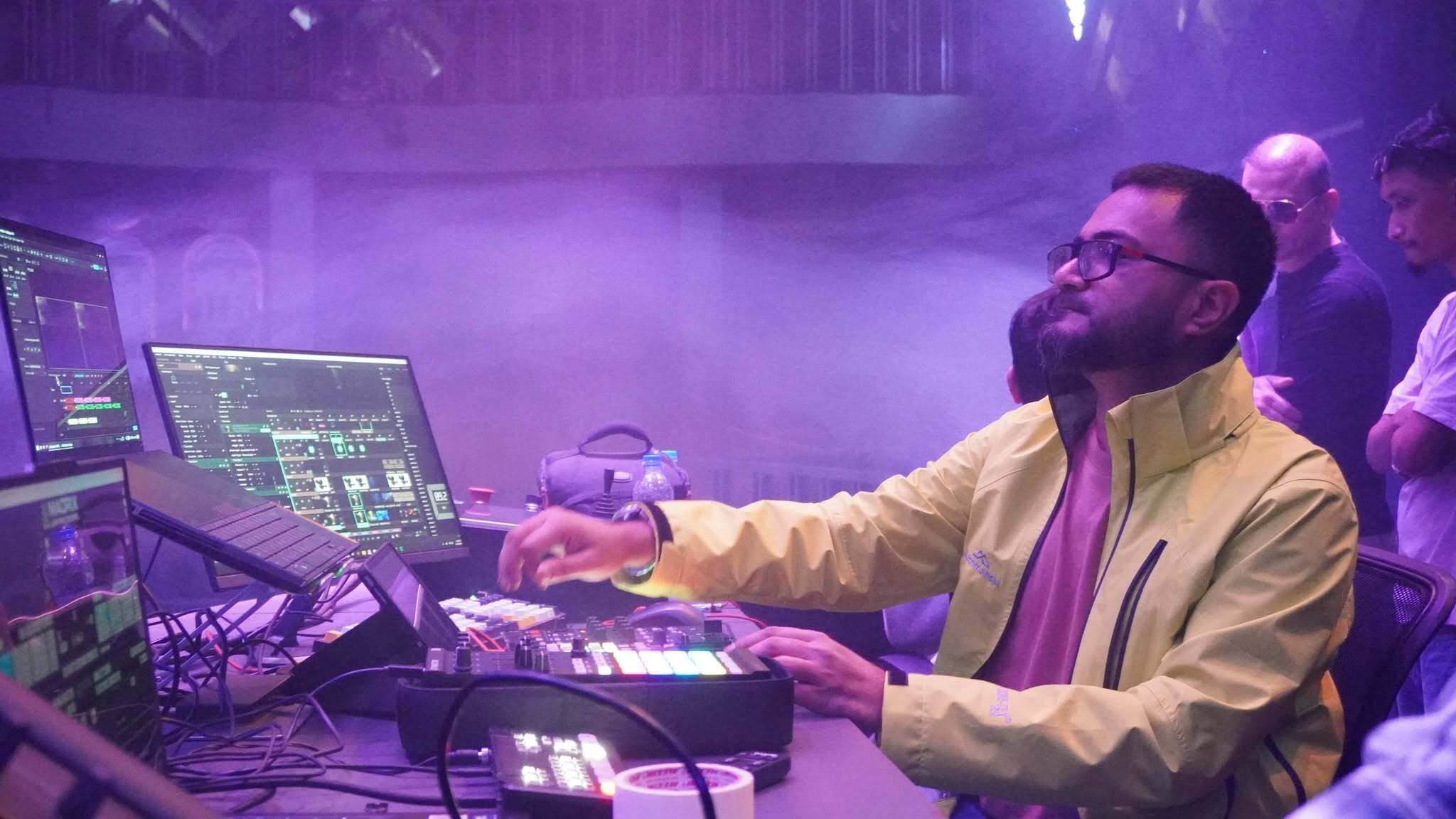

WHAT PRODUCERS SHOULD EXPECT FROM A TECHNICAL DIRECTOR — AND WHAT THEY USUALLY GET INSTEAD
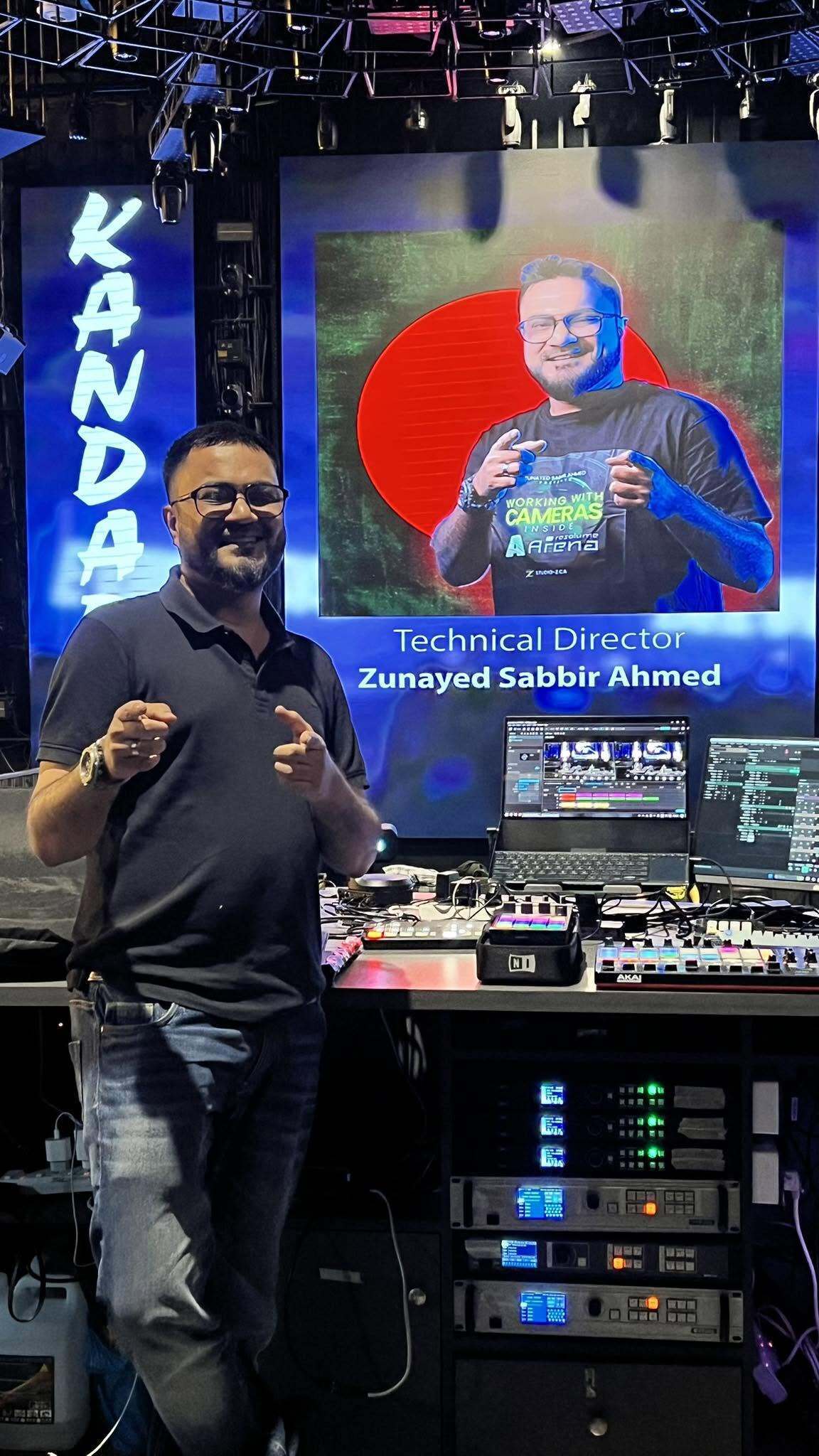
By Zunayed Sabbir Ahmed — Technical Director and Live Show Producer, Dhaka.
Fourteen years, 400+ productions, 20+ international engagements across Nepal, Thailand and Qatar.
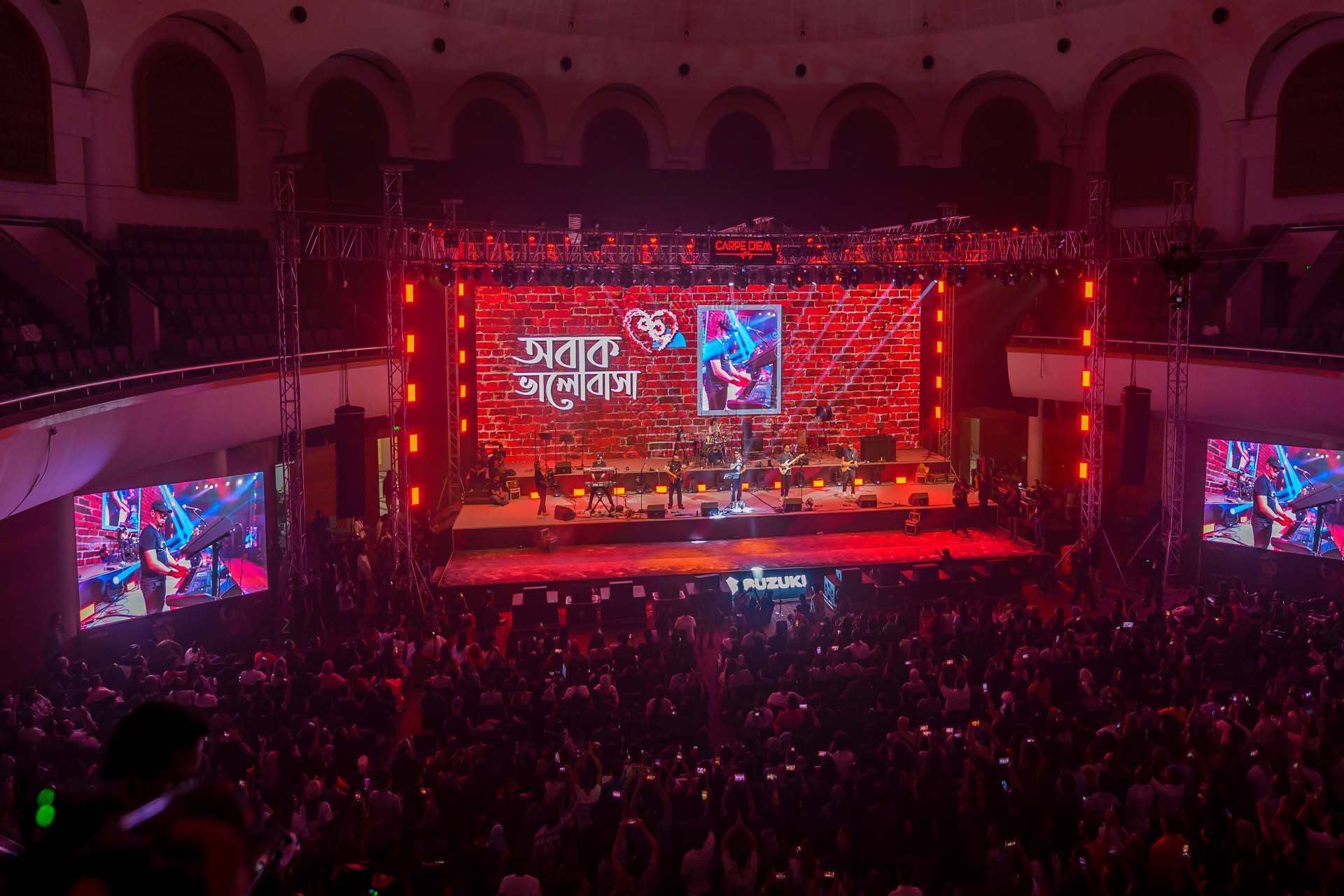
Most producers hire a Technical Director too late and then judge the role by the wrong thing.
Too late means during load-in, when the technical plan has already been decided by default. The wrong thing means equipment fluency — asking which consoles someone has operated, rather than whether they can make six vendors execute one show.
This is a working guide to what the role should deliver, written from the inside.
WHAT THE ROLE ACTUALLY OWNS
The Technical Director holds technical authority across the entire production. Every technical department reports into that authority: lighting, LED, audio, camera, crew, visual and content.
The distinction that matters is between authority and operation. A TD does not need to run a console to be accountable for what the console does. In a small production the TD may operate several systems personally. In a large one the TD may touch nothing at all on show night. The responsibility is identical.
What the role does not own — and you should be suspicious of anyone who claims it does — is budget, contracts, ticketing, sponsor obligations and venue operations. That is production and event management. A TD who wants all of it is describing a different job, or has not done this one.
WHAT YOU SHOULD HAVE BEFORE THE FIRST TRUCK ARRIVES
If the first substantive technical conversation happens at load-in, you hired late.
A producer should hold, in writing, before load-in:
- A defined technical scope, department by department
- Individual technical riders issued to each vendor
- A stage and venue plan validated against the actual room
- A documented visual and lighting language for the show
- A technical schedule with freeze dates
- A stated procedure for handling changes after freeze
- A named decision-maker for conflicts between departments
If you cannot get that list, you do not have a Technical Director. You have a senior technician who will be very busy on the day.
WHY THE RIDER IS THE REAL TEST
A technical rider is not a shopping list. A rider is not a gear list. It is a promise another team can keep.
The test is simple: hand it to a competent production company in a city where nobody knows you, and see whether they can build your show from it without a phone call.
That standard changes how a rider is written. Every line needs a status — required, preferred, not applicable, to be confirmed. Every line needs to survive translation into a different market's equipment inventory. A rider that only works with your usual vendor is not a rider.
On a touring production I direct, the master rider is tagged by show type, so a single document scales from a small club to a stadium without being rewritten for each stop. That structure exists for one reason: touring means handing your show to strangers, repeatedly, and being right about what arrives.
WHAT HAPPENS WHEN THERE ARE SIX VENDORS
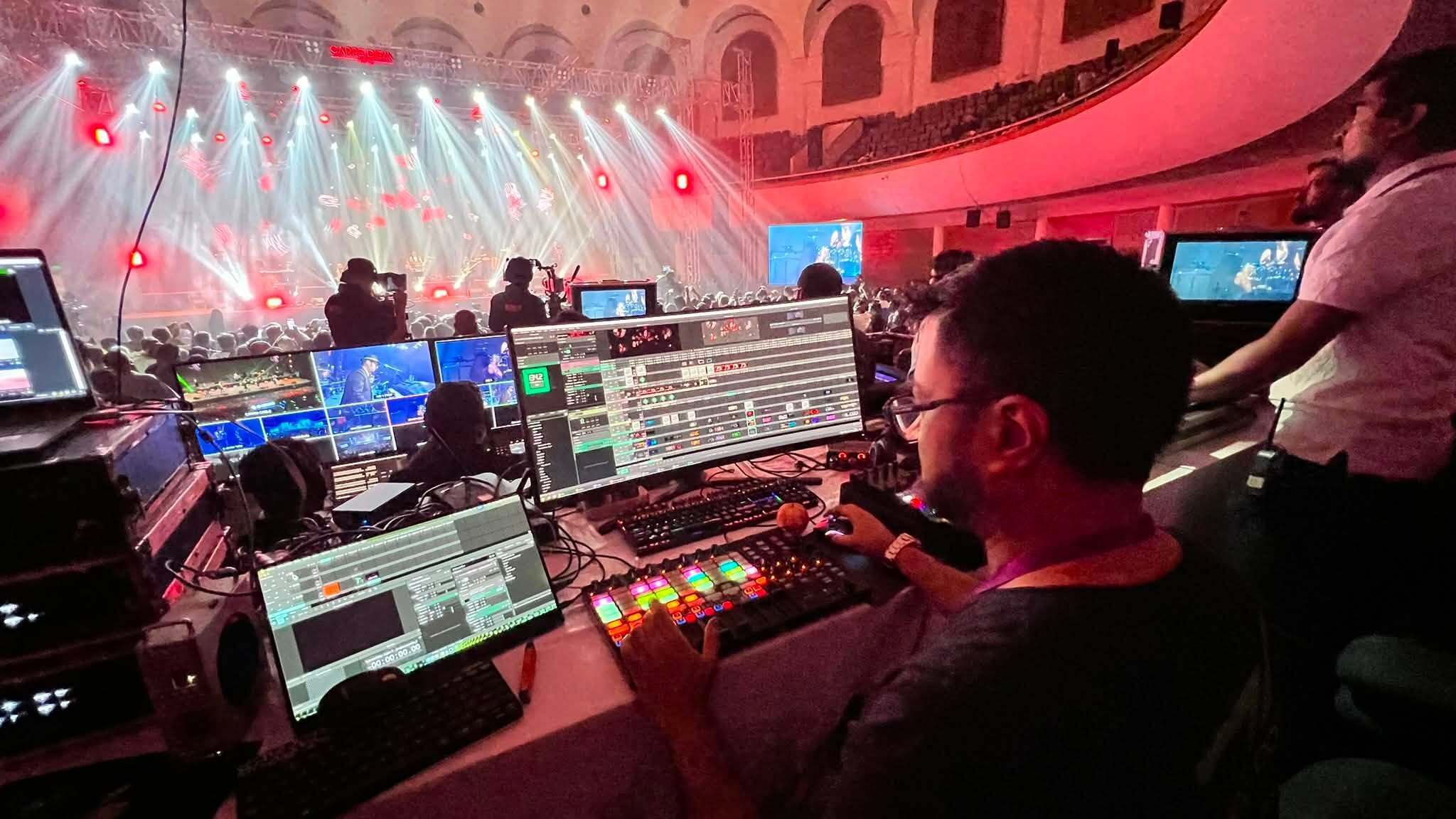
The TD becomes the translation layer between disciplines that are each optimising correctly for themselves.
Lighting optimises for looks and cue integrity. LED optimises for panel health and processing. Audio optimises for the room. Camera optimises for the broadcast frame. Content optimises for the idea. Choreography optimises for the performer. None of them is wrong. They simply collide.
The collisions are predictable. A camera position that eats a lighting angle. An LED brightness that destroys a projected element. A choreography change that moves a performer outside a lighting state. A late content revision that breaks a timecode.
Somebody has to see those before they happen. That is not a coordination task you can add to a producer who is already carrying the client and the money.
WHAT A PRODUCER SHOULD ASK BEFORE HIRING
- What exactly falls inside your technical scope, and what falls outside it?
- Which departments and vendors will report to you directly?
- What do you need from me before planning can start?
- What documents will exist before load-in, and on what dates?
- When do technical requirements freeze, and how are changes approved after that?
- Who decides when two departments want the same thing?
- How do you validate the venue before we are inside it?
- What have you personally decided on a show, versus advised on?
- Where does your authority end?
- What would you refuse to be responsible for?
Question ten is the most informative. Anyone who claims all of it has understood none of it.
HIRING A TECHNICAL DIRECTOR ACROSS BORDERS
Cross-border engagement works when documentation is strong and fails when it is verbal.
A TD arriving in an unfamiliar market cannot rely on knowing the local vendors, the local inventory or the local working culture. What travels is the paperwork — riders, plans, previz, colour guides, show guides — and the ability to run an advance with people you have never met, in a second or third language.
Practically, most of the work happens remotely: scope definition, riders, vendor advance, previz, documentation. The TD arrives in market for technical rehearsal and show. That structure is what makes hiring across borders affordable rather than exotic.
I have run this model into Nepal, Thailand and Qatar, and I am currently taking engagements across the Middle East, Europe and Japan, with return work in Nepal and Thailand.
WHAT TO LOOK FOR, HONESTLY
Breadth over depth. A specialist who is excellent in one discipline and vague about the other five is a department head, not a director.
Evidence of documents. Ask to see a redacted rider or show guide. Anyone doing this properly has them.
A clear account of failure. A TD who has never had a show go wrong has either not done enough shows or is not telling you about them.
Comfort with not being the most visible person in the room. The role does not produce applause. Anyone who needs applause will make bad decisions to get it.
FAQ
When should a Technical Director be hired?
At planning, before equipment is procured and vendors are booked. Every week earlier reduces cost.
Does a Technical Director replace the lighting designer or the VJ?
No. Specialists keep their disciplines. The TD sets the technical relationship between them and holds authority over the result.
Is a Technical Director necessary for corporate events?
Yes, wherever multiple technical vendors are involved. Launches and summits have the same coordination problem as concerts, usually with less rehearsal time.
How does an international Technical Director engagement work?
Planning, documentation and vendor advance remotely; arrival in market for technical rehearsal and show. Local crew and equipment are sourced in market under the TD's specification.
What is the difference between a Technical Director and a technical producer?
Titles vary by market. What matters is the scope agreement in writing, not the label.
I take Technical Direction engagements internationally, currently across the Middle East, Europe, Japan, Nepal and Thailand, alongside work in Bangladesh. Recent engagements include a 26-song tribute production at BICC Dhaka involving six vendor teams and a live holographic segment, and ongoing international touring direction for a Nepali band.



Top comments (0)