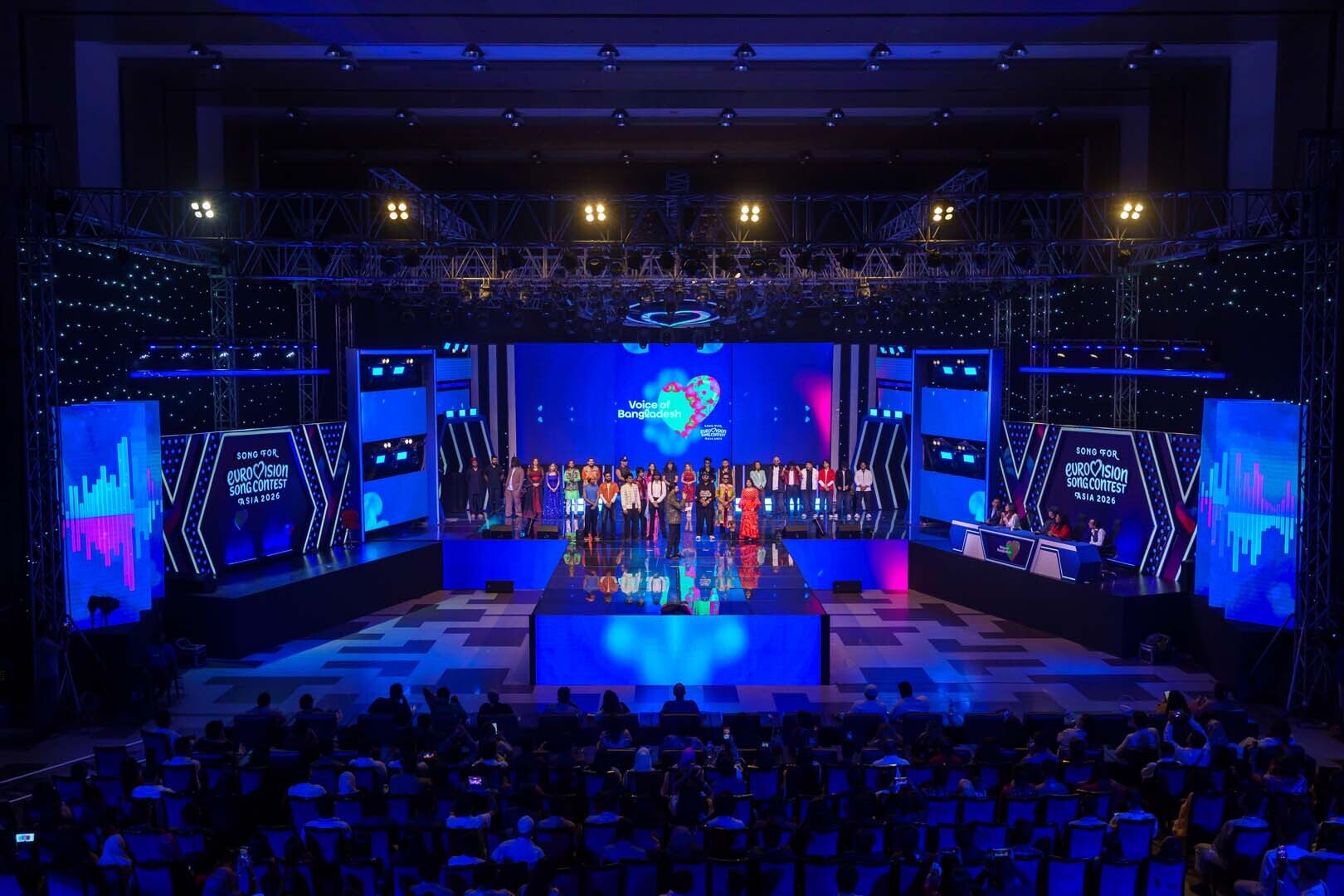
Bangladesh stood on a Eurovision stage for the first time, and I got to build the visuals for it.
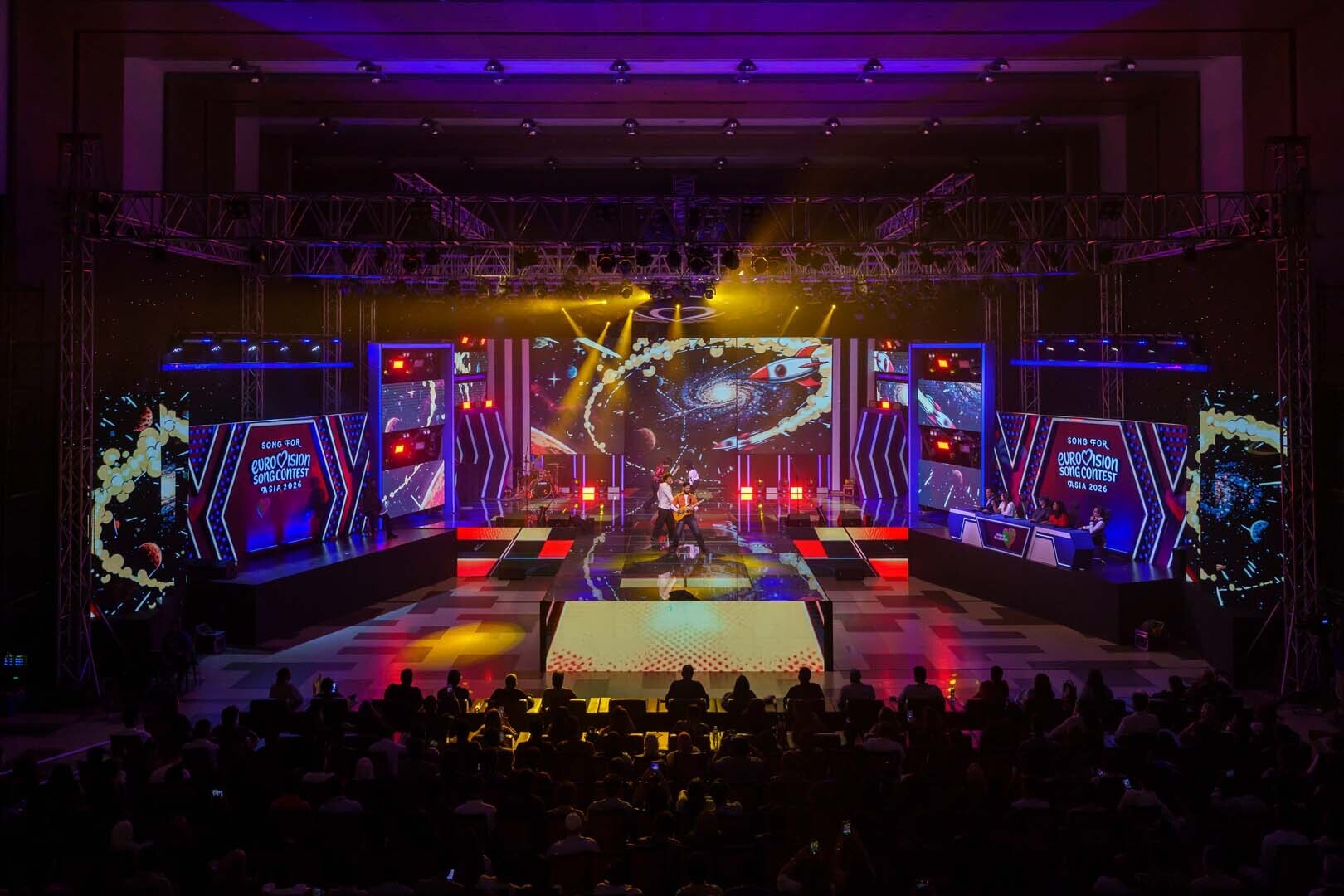
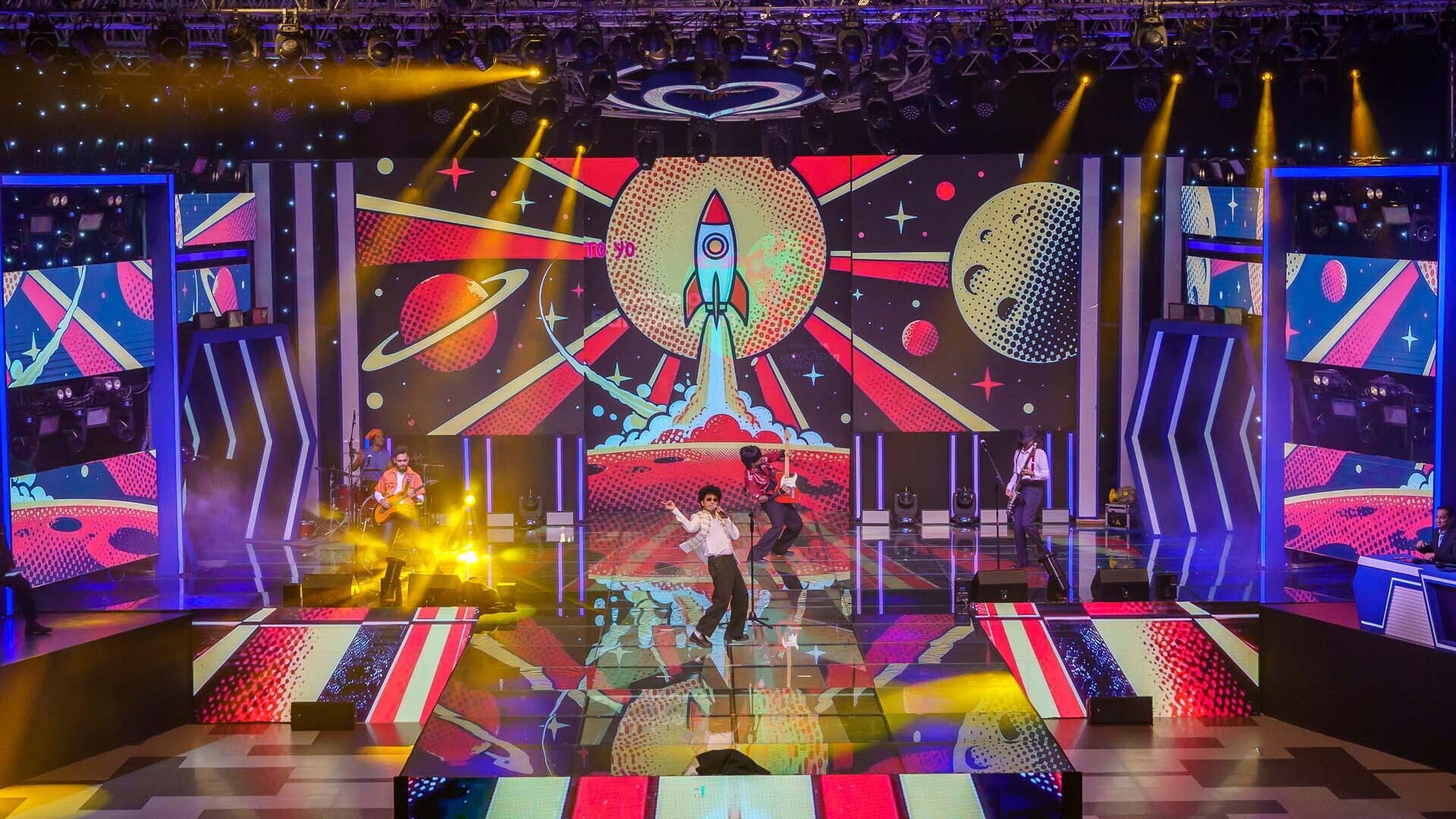
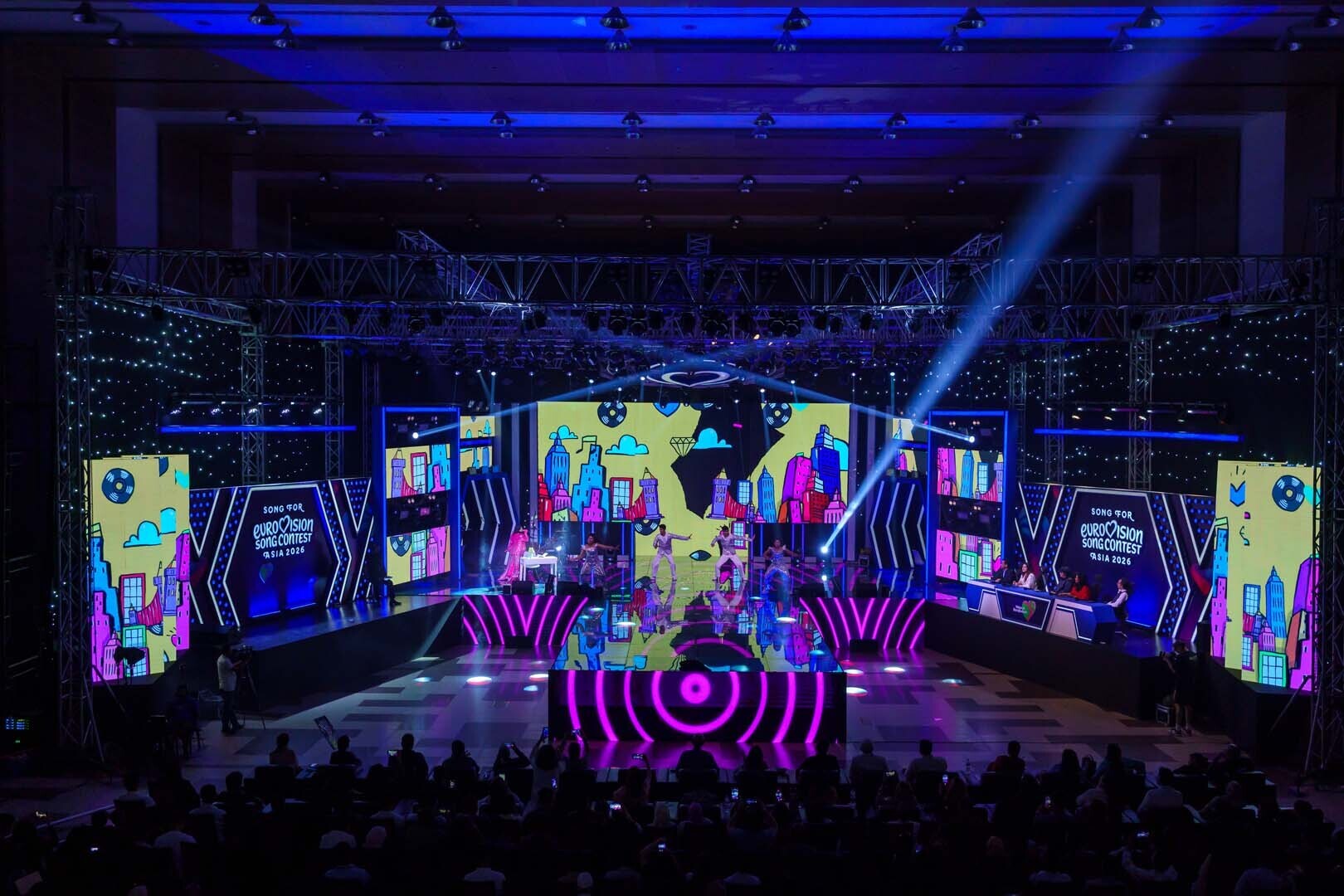
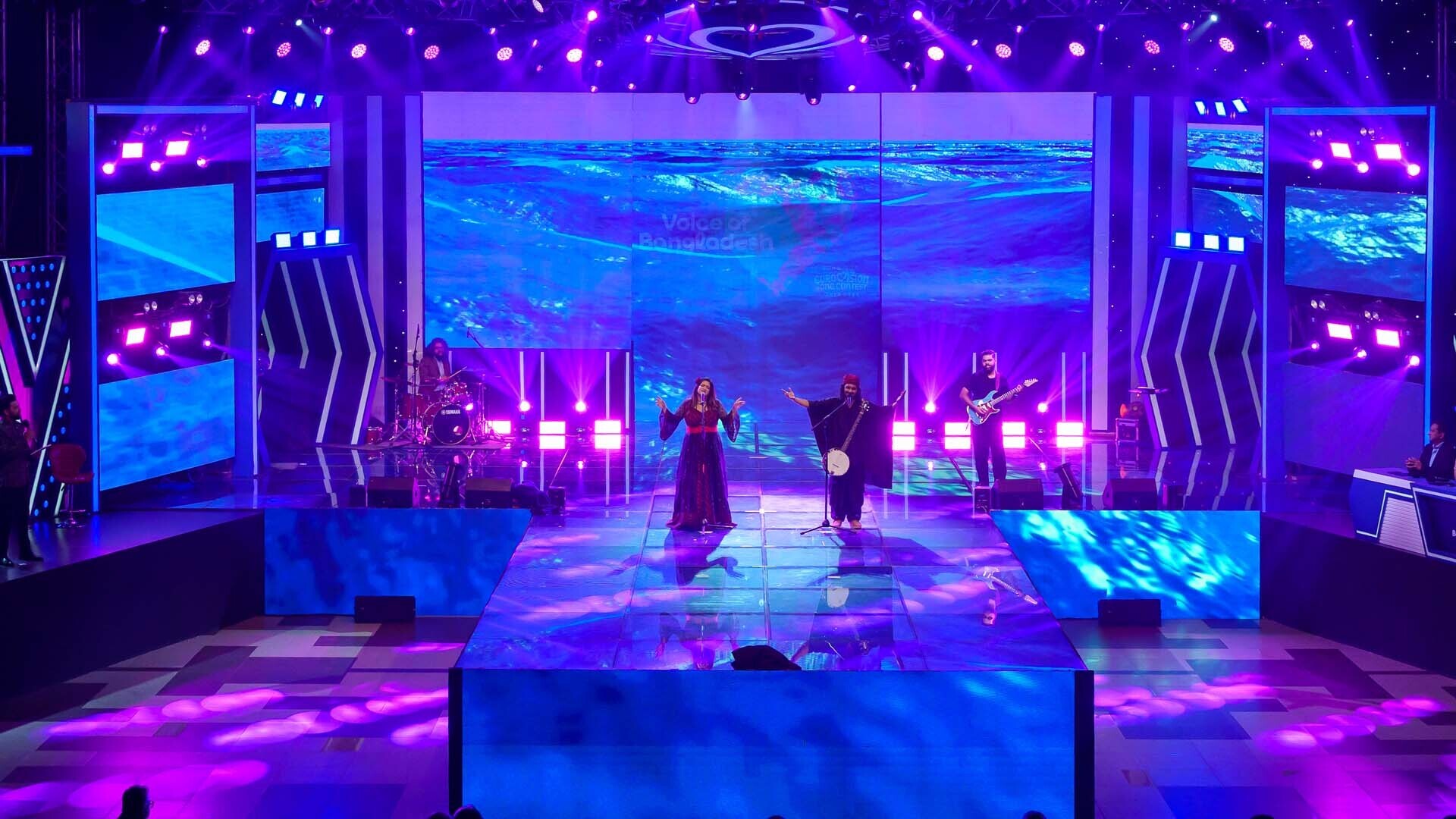
This is for the people of VJ UNION. On 30 September 2026 I was the VJ at Voice of Bangladesh, the national selection for the first Eurovision Song Contest Asia, and Studio Z made the visuals for all ten songs. I want to tell you how I got there, because I still can't quite believe it.
Where did this dream start?
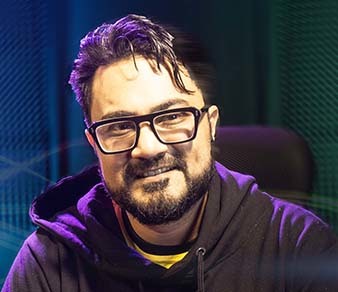
I grew up in Dhaka. When I was a teenager, almost nobody put backstage footage online. Eurovision did. I watched their production breakdowns, the lighting, the sound, the camera work, like a starving man at a buffet. I couldn't have told you why. I just knew I wanted to be in that room someday.
Back then there was no VJ scene in Bangladesh, and no word for what I wanted to do. So I started with what I had.
What did the road look like?
I started on stage as a band musician in 2003. I moved into event management in 2008, became a VJ in 2011 (the first in Bangladesh, as far as I know), and from 2013 I worked on projection mapping, which was new here.
| Year | What happened |
|---|---|
| 2013 | Ministry of Sound tour, the first projection mapping in the country |
| 2014 | "Velocity", the first LED mapping in Bangladesh, at Ruposhi Bangla Hotel, Dhaka |
| 2015 | Rose Garden Palace in Old Dhaka, the first house mapping in the country |
| 2021 | Sangsad Bhaban, the National Parliament, the largest building mapping in Bangladesh |
Each of those was a first only because nobody here had tried it yet. They took a lot of people who trusted a strange idea.
Since then I've toured with the Nepali band Kandara across Nepal and Thailand and done more than 400 shows at home. A lot of my work also reaches people I never meet. I've supplied visuals for a museum in Qatar and for a touring DJ in Australia, all from my desk in Dhaka. If you need a hand from here, I'm around.
Why did I turn to teaching?
I noticed that for every show I did, there were ten young people in Bangladesh who wanted to learn this and had nowhere to go.
So I put half of my professional life into training and education. I'm an official trainer for Resolume, MadMapper and HeavyM, and the first certified trainer in South Asia for all three. I also wrote the first Bengali book on projection mapping, which came out at the Ekushey Book Fair in 2025.
For years I've been pushing beginners to get to pro level. Two courses came out of that, a MadMapper Masterclass and a Resolume Masterclass Pro, and you can find them at studio-z.ca/all-courses.
What I'm proudest of is not my own shows. It's the professionals this field now has in countries I can't even list.
How did I get the Eurovision job?
Voice of Bangladesh had to meet Eurovision's strict European standard. There is a long guideline behind it, so Bongo hired the best operators in Bangladesh for every department.
I think I was called for three reasons. My portfolio and showreel. The fact that I started live VJing, LED pixel mapping and projection mapping in this country. And one the director told me himself: I'm a musician, and I know a lot of the artists personally.
I was booked about two and a half months before the show, and the full production brief came a month out.
What are the Eurovision rules, and what did they mean for visuals?
Eurovision Asia follows the main contest's rules. A song can run three minutes at most. No more than six performers can be on stage. The lead vocal is live, and everything else is pre-recorded.
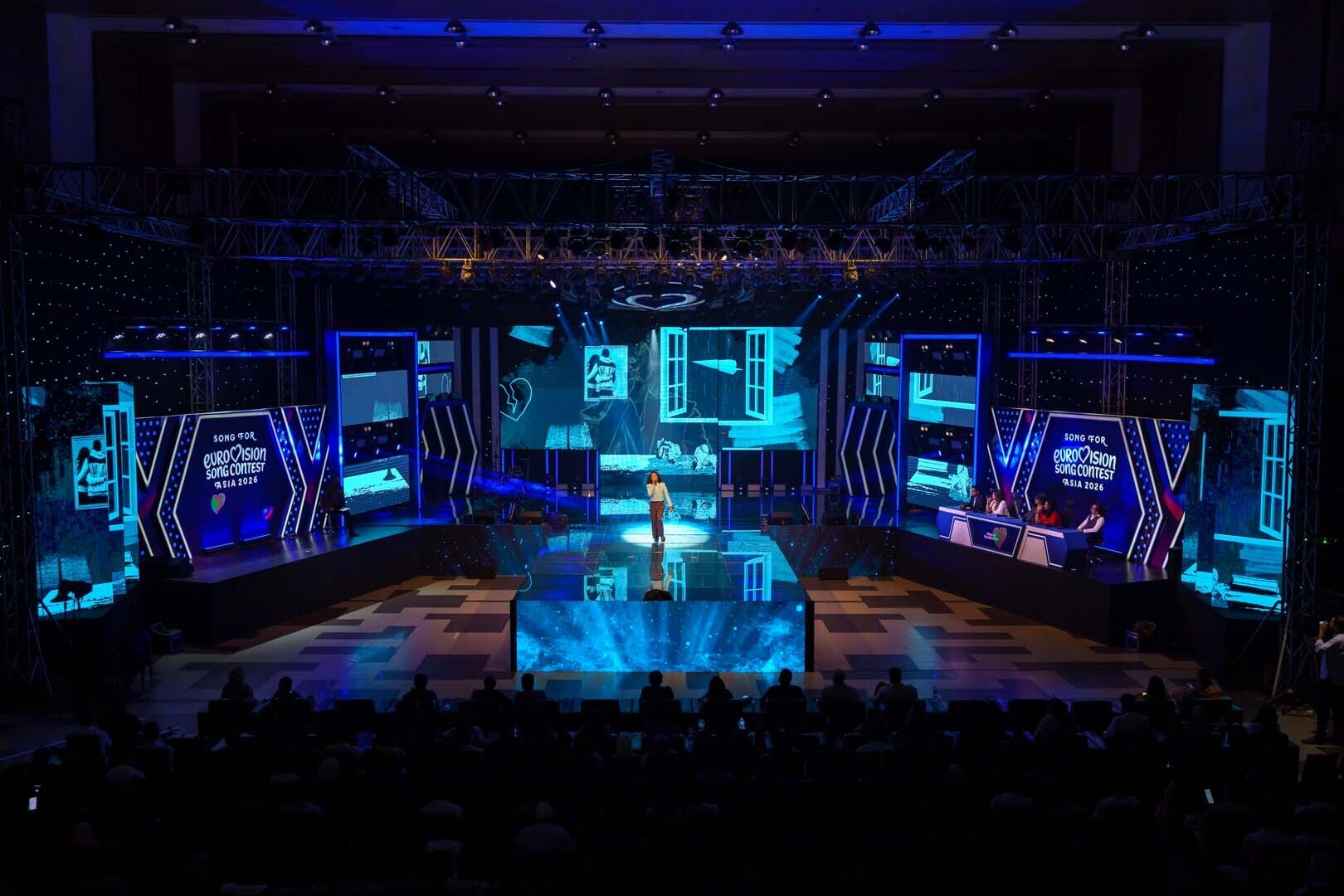
For a VJ that shapes everything. With three minutes, a visual idea has to land fast. With six people on stage, the LED wall has to carry what the stage can't. Because only the lead vocal is live, each song's visual was a finished, rendered video, and I kept a bank of live effects on top. And since the world watches through a camera, I set brightness by the camera monitor, not by what the room saw.
How did I start the work?
With a guidebook, like I do on every show. This one had ten competing songs and two guest songs. The guest songs mattered less. The ten were everything.
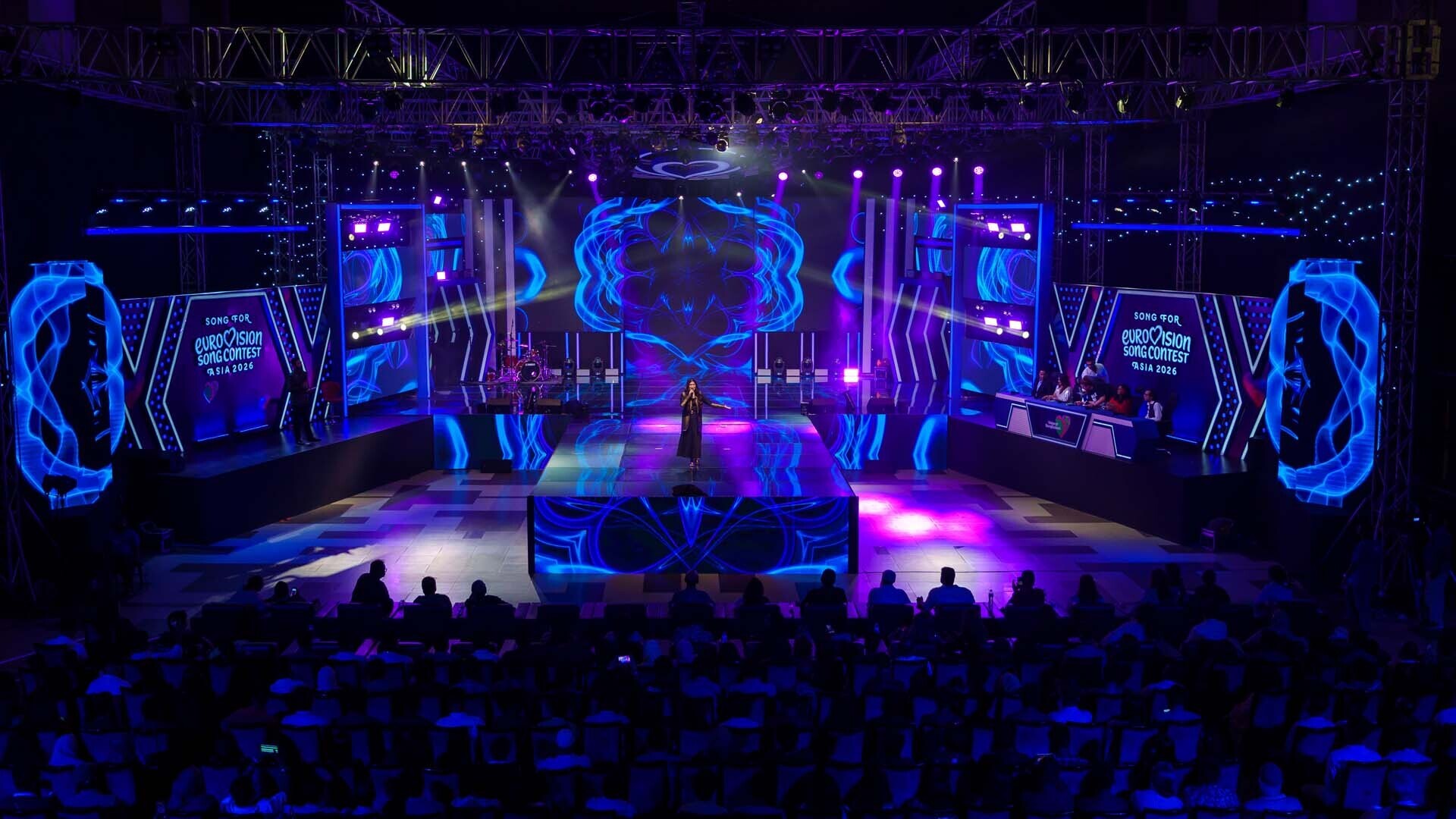
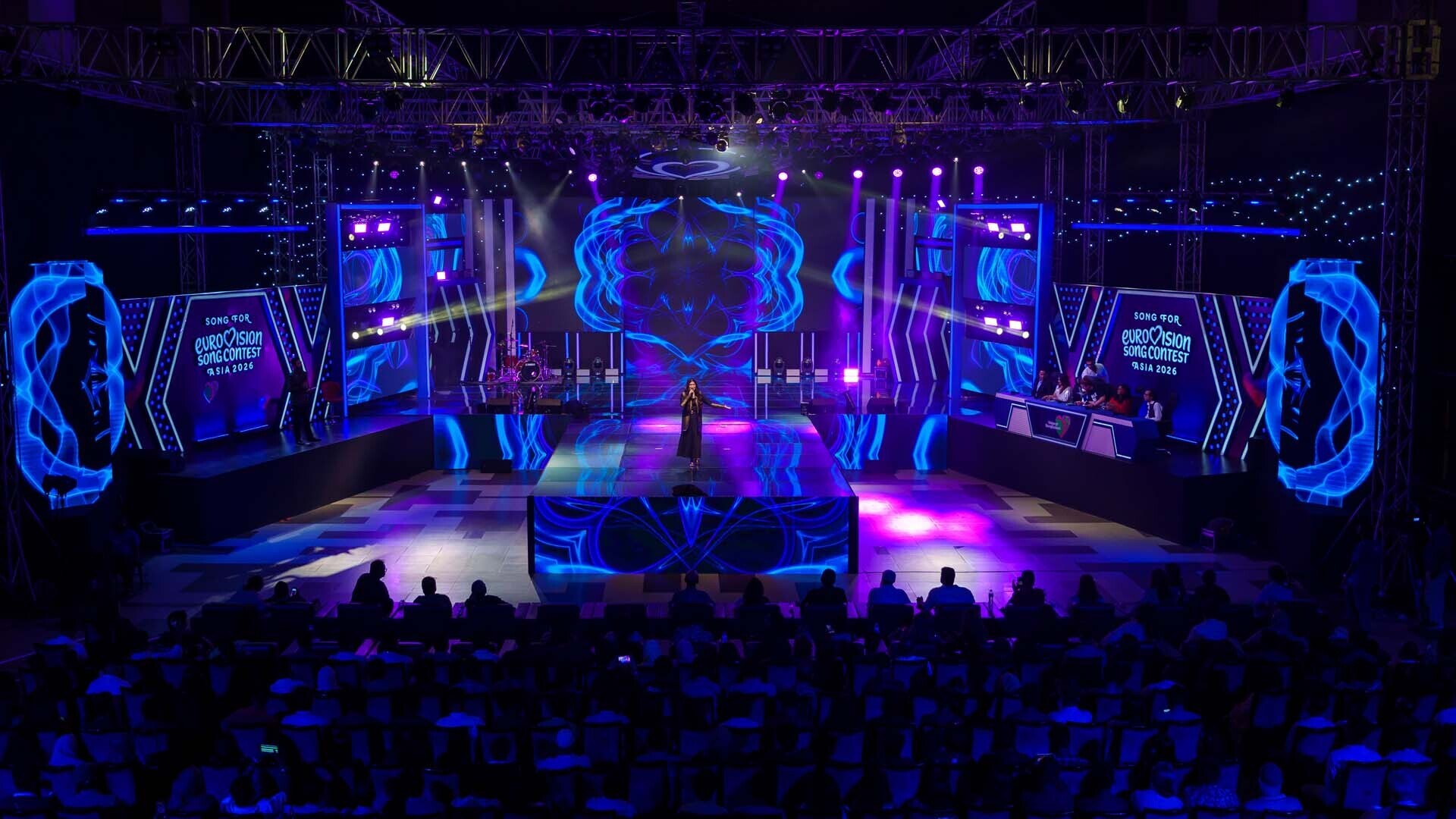
I listened to each song and broke it down by tone, melody, colour and theme. From that I built a mood board and a colour guide for every song. I showed them to the director first, then to the lighting designer and operator. They had ideas, and I took them in.
Then I met the costume and choreography person. One man handled both, so I worked from his input. Some songs changed completely after that meeting, because his costumes and movement were so strong my visuals had to answer them. In other songs I asked him to move toward my colours. We both listened, and we wanted the same thing, which was to make every act better.
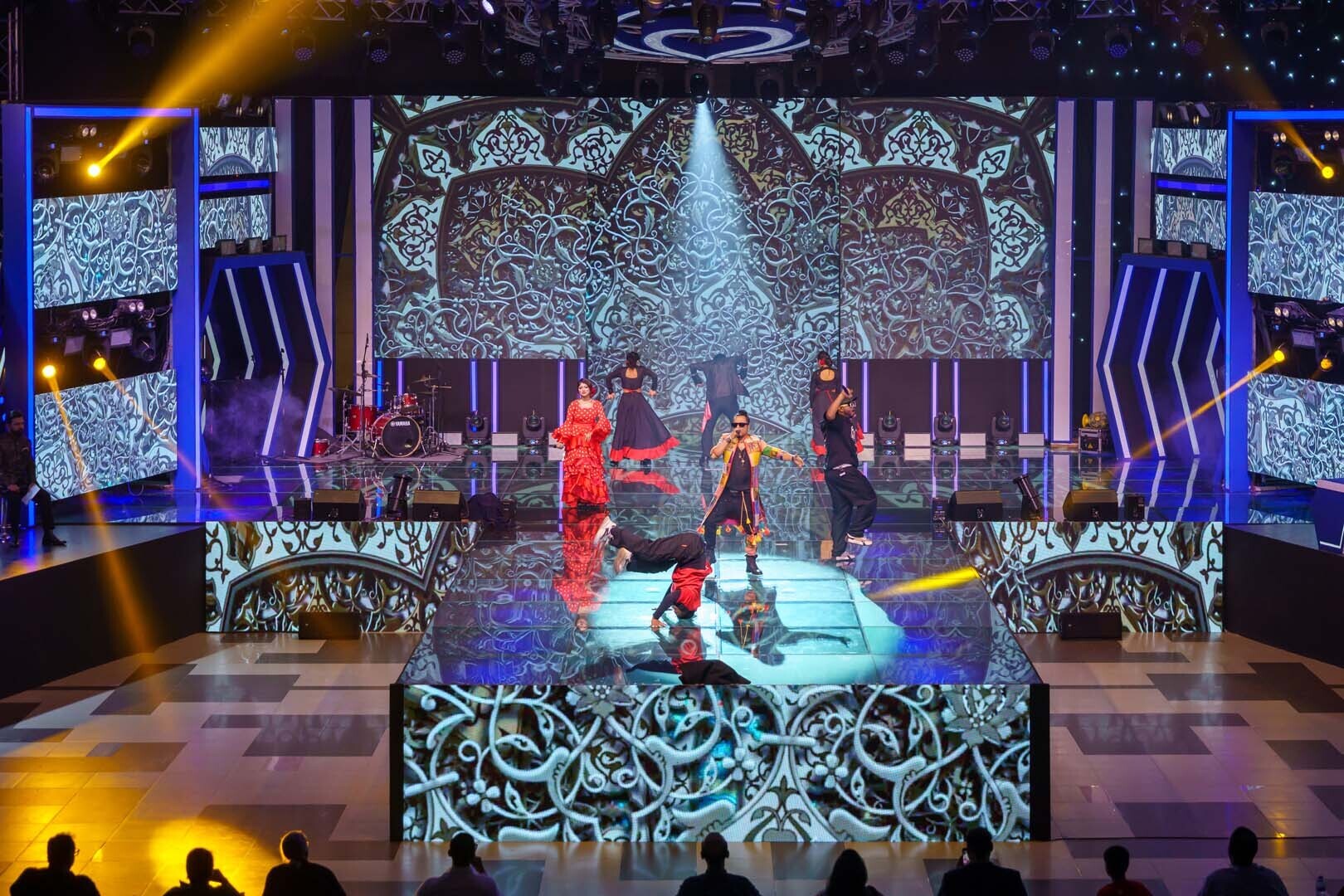
Why do the ten songs look so different from each other?
I asked the director if I could talk to the artists directly, and he said go ahead. So I talked to a good number of them, one by one. Some on WhatsApp, some on the phone, some in person, and a few came to my studio.
I think this is the main reason the ten visuals don't look alike. If Studio Z had designed all ten alone, they might well have come out similar, because the same team made them. Because each artist's ideas went in at the very start, every song set off down its own road.
What did I want from every song?
Bangladesh was on Eurovision's stage for the first time, and the world was watching, mostly Europe. I wasn't going to let anyone look at us and think less of the country.
So the goal wasn't a good show. I wanted each of the ten songs to be the best song, the one that showed Bangladesh at its best.
The pose that became the press photo
Moktadir Dewan, known to everyone as BeatBaksho, is the founder and bass vocal of Beatmosphere. He's my brother in this industry.
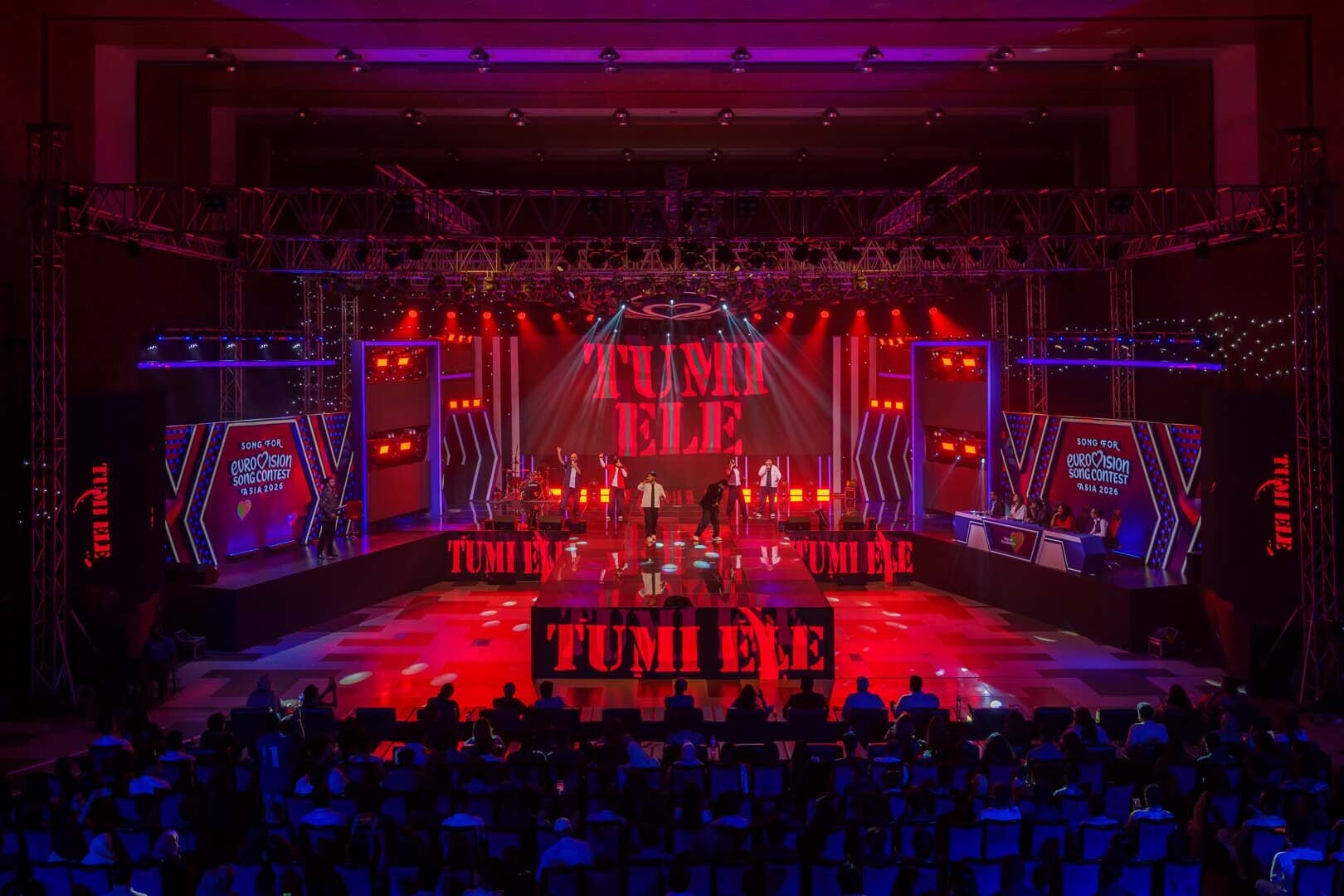
I had a pitch for the band. I wanted them to finish their song the way 90s boy bands did, a Backstreet Boys or NSYNC kind of pose, held on the last beat, with their logo on the LED wall behind them. I told them: hold that pose in front of your logo and that's your press photo.
They won, and that was the winning press photo. Here it is as it ran. I'm glad I got to see that pitch win.
What was show day like?
On 30 September 2026, at the International Convention City Bashundhara in Dhaka, Bangladesh picked its first act for Eurovision Song Contest Asia. The room held a little under 2,000 people, and the world watched the stream.
Two shows ran at once. A long production table ran the live broadcast, the web stream and the app stream. In front of it, lighting, sound, visuals and DJ ran the event for the room.
My right hand sat on the master opacity fader most of the night. I watched the camera monitor, not the stage, and rode the LED brightness to what the camera saw.
Beatmosphere won with "Tumi Ele" and goes to Bangkok on 14 November. Pulak Adhikary came second with "Anari Majhi", and Vintage Theory third with "BOOMERANG!".
Who do I want to thank?
Director Wahidul Islam Shuvro, for the trust. Bongo and NTV. DJ Md Wahid. Lighting designers and operators Mohammad Ridwan and Md Yasin. Kawsar Mahmud on sound, and SP Rhythm on audio logistics. Shahinur Parvez for structural design and installation. Green Vision on LED. Raw Xposure on photography. The Eurovision team on site.
And the artists: Beatmosphere, SUBCONSCIOUS, Sharot, Lubaina, Vintage Theory, The Kushiyara Waves and every other act on that stage.
What do I hope you take from this?
Bangladesh is in this community. A country many of you may never have thought of as a VJ country stood on one of the biggest stages in the world, with visuals made at home by people who learned the craft here.
My dream came true, and I got to make my country proud. If you're a young VJ somewhere nobody expects it from, learn the song first. Everything else comes from that. And stay cool and confident, especially when the world is watching.
Questions people ask
Who made the visuals for Voice of Bangladesh?
Studio Z BD made the visual and lighting colour guide and the visuals for all ten competing songs. I designed them and ran them as live VJ.
When and where was it held?
On 30 September 2026 at the International Convention City Bashundhara (ICCB) in Dhaka.
Who won, and what happens next?
Beatmosphere, with "Tumi Ele". They represent Bangladesh at Eurovision Song Contest Asia in Bangkok on 14 November 2026.
Was it a live VJ set?
Partly. Each song's visual was a rendered video, with live controls and effects on top.
Who was the first VJ in Bangladesh?
I started live VJing here in 2011, and as far as I know I was the first.
Where can I learn what you teach?
The MadMapper and Resolume masterclasses are at studio-z.ca/all-courses.
How can I reach you?
Write to [email protected].
More on this show: the personal story at zunayed.com/blogs, the production case study at studioz.com.bd/blogs, and the VJ workflow at studio-z.ca/blog.



Top comments (0)